
Acne Scarring
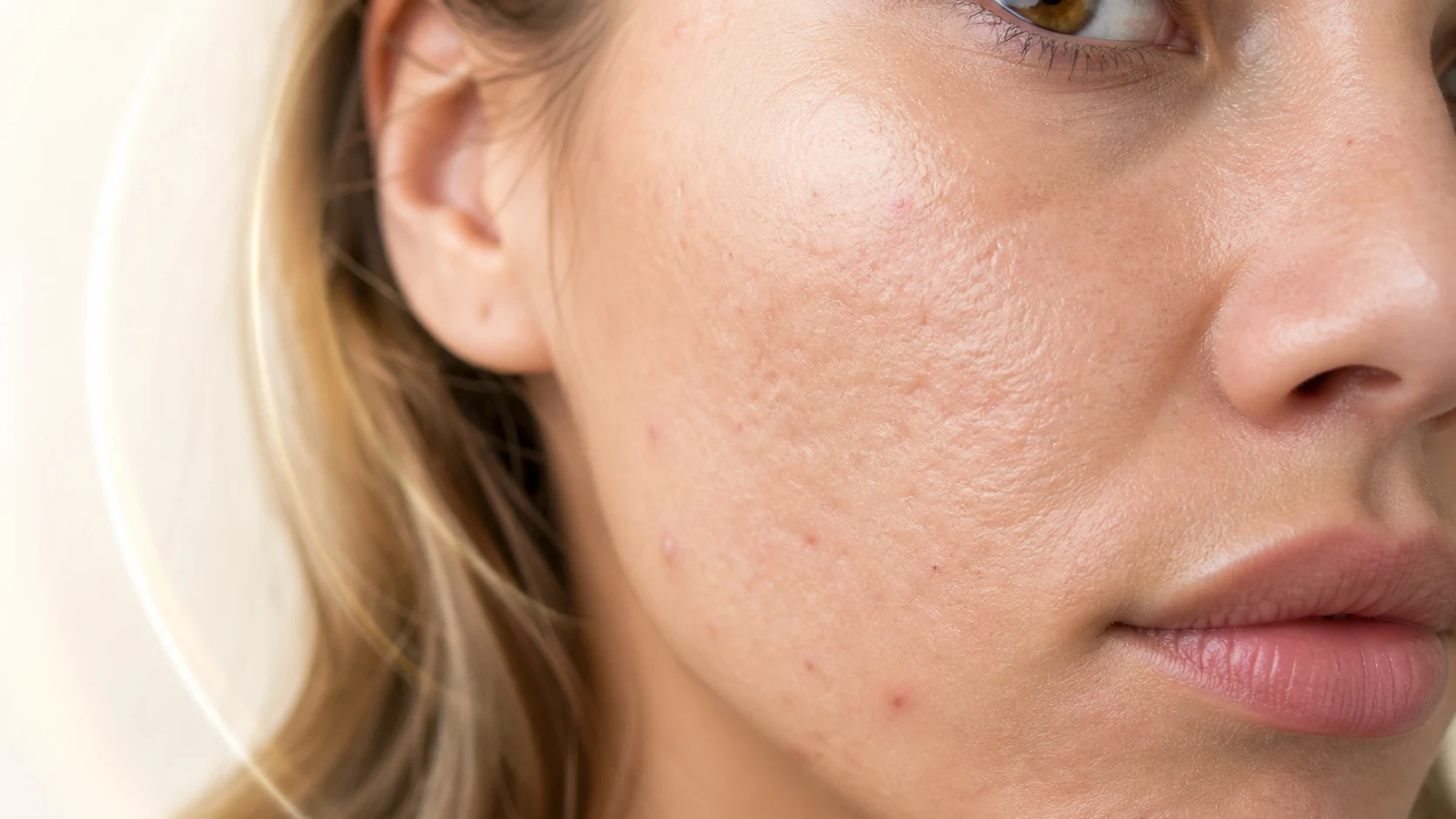
Textural scarring left behind after acne has settled.
 Personalized review, grounded in your health history.
Understanding acne scarring
Acne scars can be depressed, raised, or associated with lasting color change. Broadly, depressed scars sit below the surrounding skin, raised scars sit above it, and some marks are color change rather than texture and often fade on their own over months. These respond to completely different approaches, which is why an assessment comes before any recommendation and why a single product marketed for all of them deserves suspicion. If you still have active acne, treating that comes first, because scar work on skin that is still breaking out tends to produce more scars.
Dermatology options may include skin care, resurfacing, procedures, or combinations tailored to the scar type. Skin tone matters here more than most people are told, because some resurfacing approaches carry a higher risk of lasting pigment change in deeper skin tones, and a clinician who does not raise that is not assessing you properly. Regenerative products are sometimes promoted for skin appearance, but product quality and evidence vary. No consultation can promise that scars will disappear or that skin texture will return to a previous state.
Our licensed-provider review considers your skin history, active acne, prior procedures, healing history, and goals. We explain what is known, what remains uncertain, and whether any supportive assessment is reasonable. Active infection, severe acne, keloid risk, or a recent procedure may require dermatology review first. If you are recovering from a procedure right now, our Post-Procedure Skin Recovery page is the better starting point.
Potential Benefits
An acne-scarring consultation may help you:
- A structured review of your scar type, your acne history, and any procedures you have already had
- A plain account of how limited and product-specific the evidence for regenerative options is here
- Screening for factors that affect eligibility, including active acne, keloid risk, and skin tone
- Questions to discuss with your board-certified dermatologist
- A practical next step if a licensed provider recommends further assessment
Who May Benefit
An acne-scarring assessment may make sense for people including:
- Adults with acne scars who have active breakouts under control
- People who have already discussed scar type with a dermatologist
- Individuals seeking realistic expectations about skin recovery research
- People willing to review prior medication and procedure history
- Adults who understand that results vary and may require established dermatology care
Therapies a Provider May Consider
Every option is reviewed individually after your history, current care, and goals are understood.
Exosome Therapy
Exosome therapy works with the signaling vesicles your cells already use to communicate. Studied for recovery, skin quality and healthy aging, and always planned by a licensed provider.
Learn More about Exosome TherapyNAD+ Therapy
NAD+ is the coenzyme your cells use to turn food into energy, and levels fall with age. A leading choice for support with energy, mental clarity and recovery.
Learn More about NAD+ TherapyMUSE Cell Therapy
A stress enduring cell type able to develop into many tissue types. Explored for healthy aging, recovery and whole body cellular wellness, always guided by clinical review.
Learn More about MUSE Cell TherapyStem Cell Therapy
The body's own building and repair cells, and the foundation of regenerative medicine. Explored for recovery, mobility and healthy aging through physician guided planning.
Learn More about Stem Cell TherapyWhat the Research Looks At
Acne scar treatment depends on scar type and often uses established dermatology procedures. Evidence for regenerative products is limited and product-specific. The references below provide dermatology guidance, regulatory context, and registered-study information.
Start With an Assessment
Every visit begins with a consultation and a medical screening. A licensed provider decides what, if anything, is appropriate for you.
or call (818) 938-9023