
Aesthetic & Recovery
Skin, scarring and hair concerns, and recovery after an aesthetic procedure.
What Is Aesthetic & Recovery Care?
Aesthetic and recovery care focuses on the skin, hair, scarring, and the recovery period after dermatological or aesthetic procedures. Because hair loss, acne scarring, and post-procedure skin changes can have different causes, assessment comes before any recommendation.
Conditions We Support
Select a condition to review its overview, eligibility guidance, related options, and current research references.
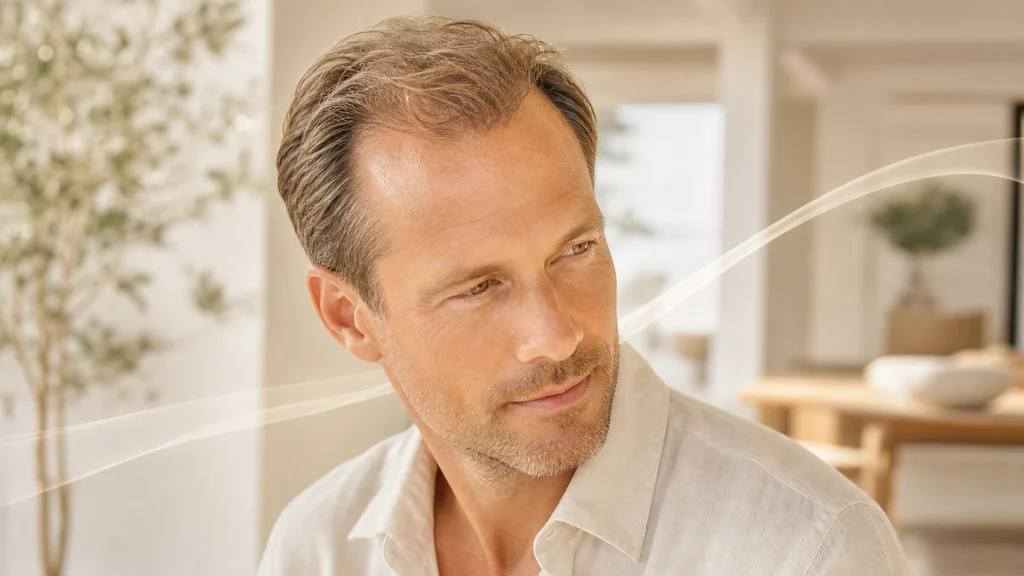
Hair Loss & Thinning
Thinning, shedding, or a receding line, where the first job is finding out which kind of hair loss it is.
View Guidance & Options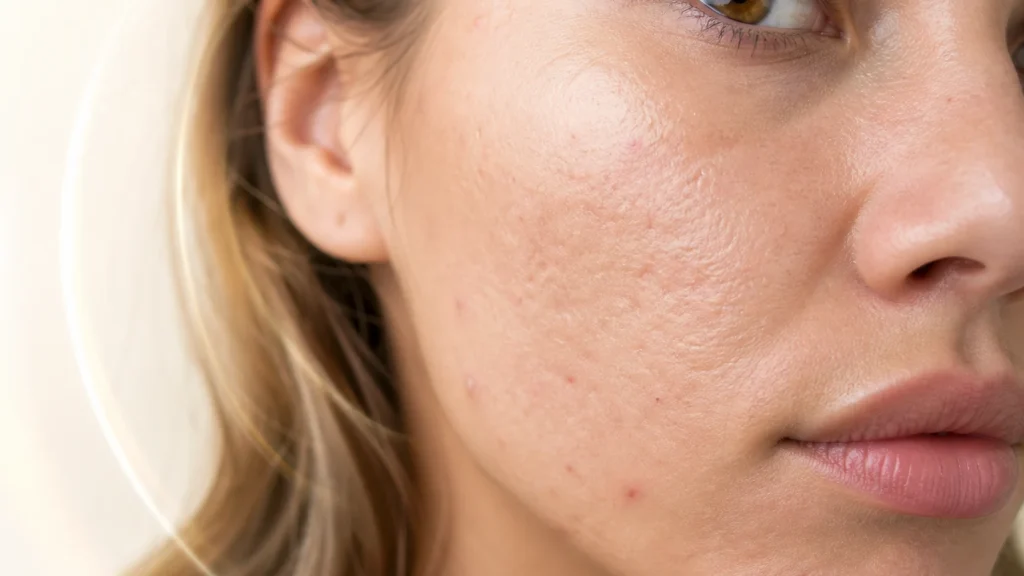
Acne Scarring
Textural scarring left behind after acne has settled.
View Guidance & Options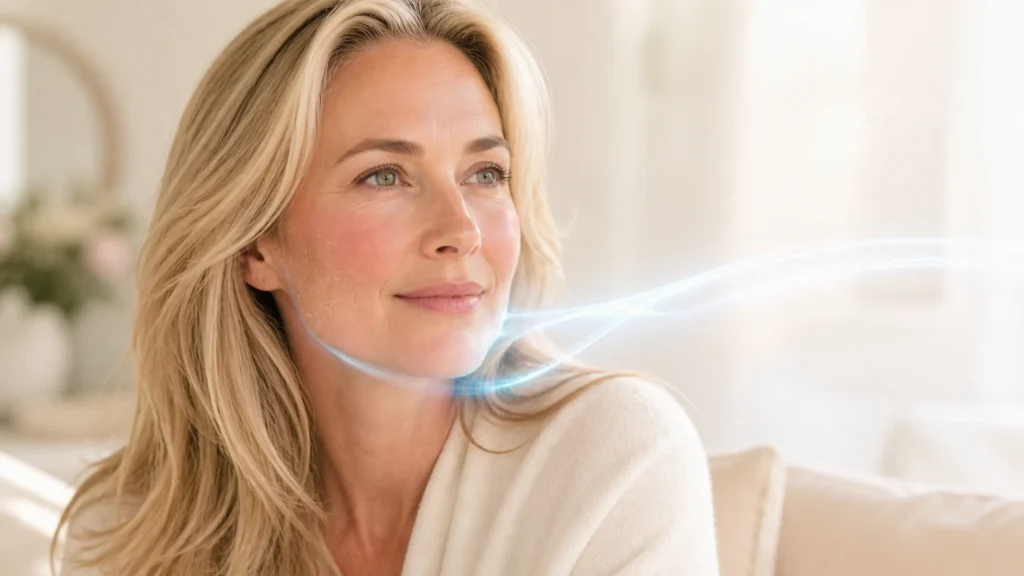
Post-Procedure Skin Recovery
Support during the recovery window after a dermatological or aesthetic procedure.
View Guidance & OptionsThis is not an exhaustive list. If your concern is not shown here, contact us and a licensed provider will tell you whether an assessment makes sense.
Simple, mobile, physician-guided.
Four clear steps from consultation to at-home care and follow-up.
Book a Consultationor call (818) 938-9023
-
STEP 1
Book a Consultation
Start with a short intake so we can understand your goals, location, and questions.
-
STEP 2
Meet Your Clinician
A licensed provider reviews your history, eligibility, current care, and goals.
-
STEP 3
We Come to You
When appropriate, our mobile team coordinates your at-home therapy visit.
-
STEP 4
Track & Continue
Follow-up helps guide next steps, scheduling, and ongoing care.


Therapies a Provider May Consider
Every option is reviewed individually after your history, current care, and goals are understood.
Exosome Therapy
Exosome therapy works with the signaling vesicles your cells already use to communicate. Studied for recovery, skin quality and healthy aging, and always planned by a licensed provider.
Learn More about Exosome TherapyNAD+ Therapy
NAD+ is the coenzyme your cells use to turn food into energy, and levels fall with age. A leading choice for support with energy, mental clarity and recovery.
Learn More about NAD+ TherapyMUSE Cell Therapy
A stress enduring cell type able to develop into many tissue types. Explored for healthy aging, recovery and whole body cellular wellness, always guided by clinical review.
Learn More about MUSE Cell TherapyStem Cell Therapy
The body's own building and repair cells, and the foundation of regenerative medicine. Explored for recovery, mobility and healthy aging through physician guided planning.
Learn More about Stem Cell TherapyStart With an Assessment
Every visit begins with a consultation and a medical screening. A licensed provider decides what, if anything, is appropriate for you.
or call (818) 938-9023