
Peripheral Neuropathy
Numbness, burning or weakness in the hands and feet, already investigated by a physician.
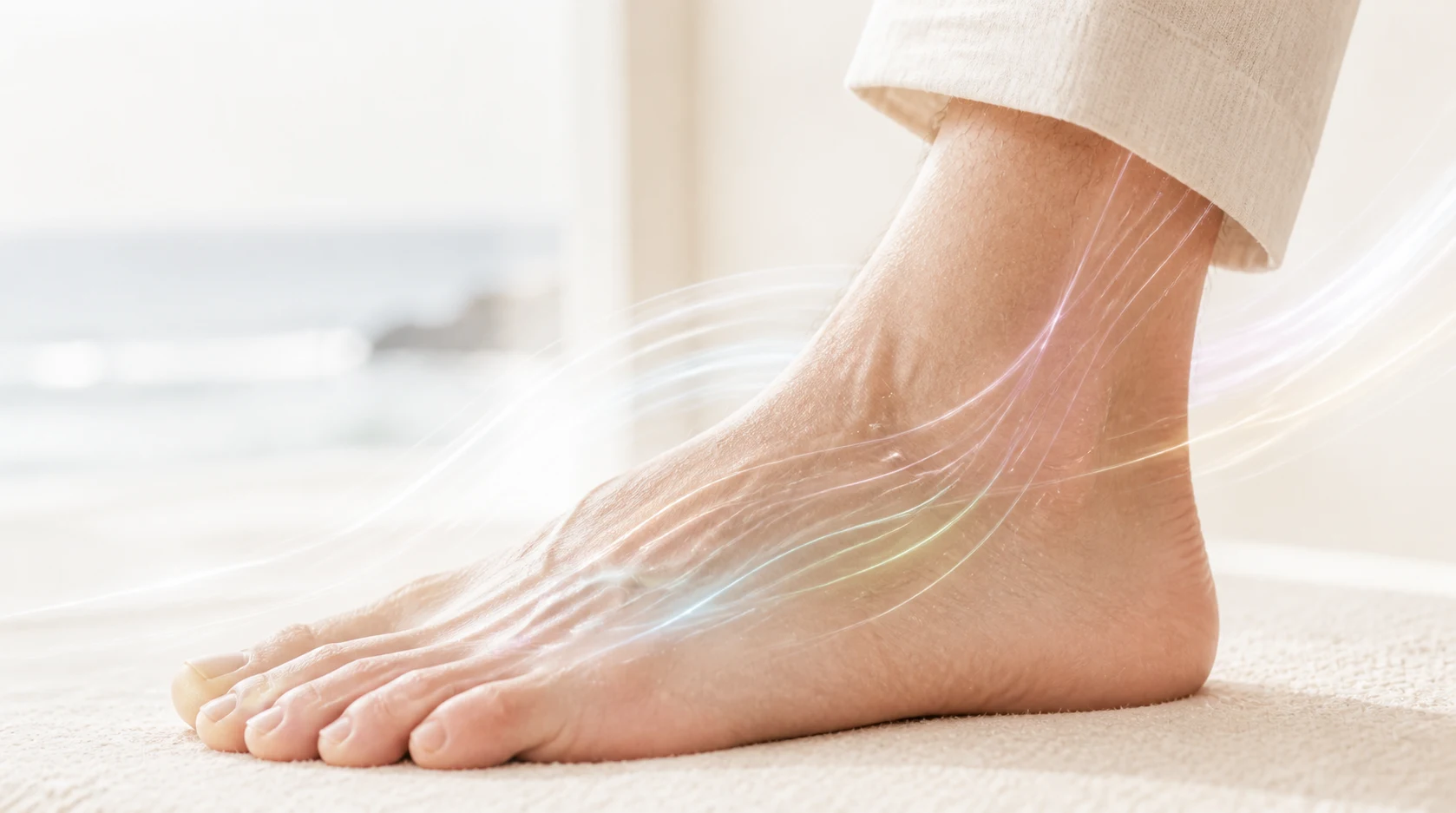 Personalized review, grounded in your health history.
Understanding peripheral neuropathy
Peripheral neuropathy refers to many conditions involving damage to nerves outside the brain and spinal cord. Symptoms can include numbness, tingling, burning pain, weakness, balance problems, or changes in automatic body functions. Diabetes is a common cause, but autoimmune disease, medication, injury, nutritional problems, and inherited conditions can also be involved.
Treatment depends on the type, cause, and nerves affected. A neurologist or treating clinician may use examination, laboratory testing, nerve studies, imaging, or other evaluation. Cellular and regenerative approaches remain experimental and are not a replacement for finding and treating an underlying cause. If nobody has yet established why your nerves are affected, that is the question worth answering first: a treatable cause such as vitamin B12 deficiency, thyroid disease, or a medication effect changes everything about what should happen next. Where neuropathy is related to diabetes, blood sugar control is the part with the strongest evidence behind it.
Our consultation reviews your diagnosis, current symptoms, workup, medication, and goals. A licensed provider explains what current research does and does not show and decides whether any supportive assessment is appropriate. Where the neuropathy followed chemotherapy, your oncology team needs to be part of any conversation.
Some symptoms are not neuropathy and need emergency care. Sudden numbness or weakness on one side of the body, sudden difficulty speaking, or a sudden change in vision may be a stroke: call 911. Weakness that spreads upward from the feet over hours or days, new difficulty breathing or swallowing, or loss of bladder or bowel control also need emergency assessment. If you have diabetes, any foot wound, ulcer, or area of redness that you cannot feel needs same-day medical review.
Potential Benefits
A neuropathy consultation may help you:
- A structured review of your symptoms, the workup so far, and your current care
- A clear account of why neuropathy research cannot be generalized across every cause
- Screening for factors that may affect eligibility, including whether a cause has been established
- Questions to discuss with your neurologist or treating clinician
- A realistic next step, which is often completing the search for an underlying cause
Who May Benefit
A neuropathy assessment may make sense for people including:
- Adults with peripheral neuropathy evaluated by a clinician
- People with a known or actively investigated underlying cause
- Individuals seeking a clearer explanation of experimental research
- People willing to share nerve testing, laboratory results, and medication information
- Adults who remain under neurologic or primary care follow-up
Therapies a Provider May Consider
Every option is reviewed individually after your history, current care, and goals are understood.
Exosome Therapy
Exosome therapy works with the signaling vesicles your cells already use to communicate. Studied for recovery, skin quality and healthy aging, and always planned by a licensed provider.
Learn More about Exosome TherapyNAD+ Therapy
NAD+ is the coenzyme your cells use to turn food into energy, and levels fall with age. A leading choice for support with energy, mental clarity and recovery.
Learn More about NAD+ TherapyMUSE Cell Therapy
A stress enduring cell type able to develop into many tissue types. Explored for healthy aging, recovery and whole body cellular wellness, always guided by clinical review.
Learn More about MUSE Cell TherapyStem Cell Therapy
The body's own building and repair cells, and the foundation of regenerative medicine. Explored for recovery, mobility and healthy aging through physician guided planning.
Learn More about Stem Cell TherapyWhat the Research Looks At
Peripheral neuropathy includes more than 100 conditions, so research findings cannot be generalized across every cause. Cellular approaches remain experimental and no exosome product is approved for neuropathy. These references provide condition guidance, regulatory context, and registered-study information.
Start With an Assessment
Every visit begins with a consultation and a medical screening. A licensed provider decides what, if anything, is appropriate for you.
or call (818) 938-9023